
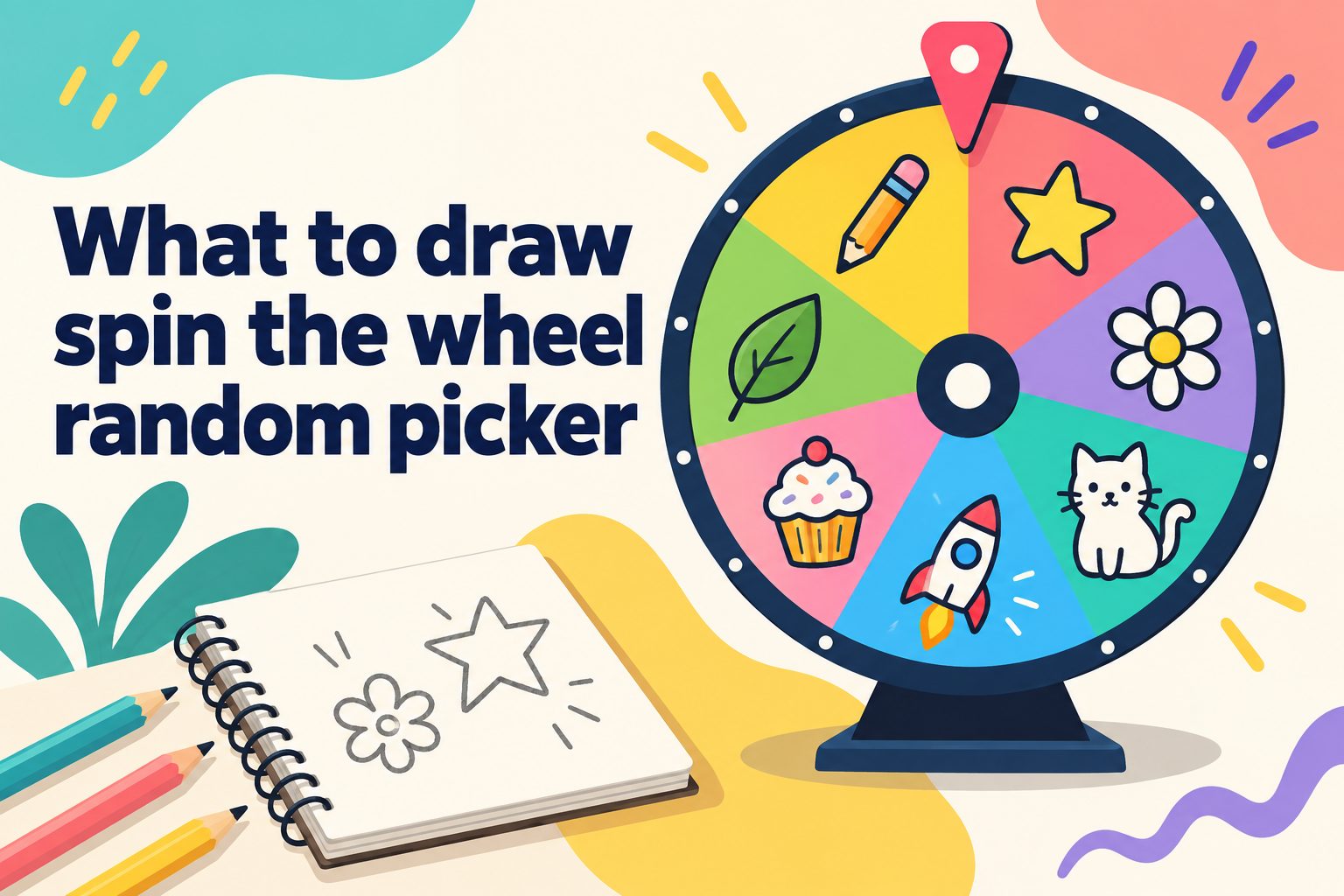
If you have ever stared at a blank page and wondered what to draw spin the wheel random picker tools can solve that problem in seconds, you are not alone. Many beginners, students, hobby artists, and even experienced illustrators struggle with creative blocks and decision fatigue. A what to draw spin the wheel random picker takes the pressure off by choosing a fun, unexpected drawing prompt for you. Instead of overthinking, you just spin, accept the challenge, and start sketching. In this guide, you will learn how it works, why it boosts creativity, how to build your own wheel, plus themes, examples, mistakes, best practices, and answers to common questions.
This complete guide covers everything from simple animal and food prompts to advanced themed wheels for classrooms, art challenges, and social media content. You will discover practical use cases, expert tips to get better results, and easy ways to customize your wheel for your skill level and art goals.
Why What To Draw Spin The Wheel Random Picker Works So Well
A random picker removes hesitation and turns drawing into a playful game. It adds surprise, variety, and low pressure practice that keeps you consistent.
1. Removes Decision Fatigue Quickly
Choosing what to draw can take more energy than drawing itself, especially after a long day of work or school. A what to draw spin the wheel random picker makes the choice instantly, so you save mental energy and jump straight into creating. This simple shift helps you build a daily habit without stress or endless scrolling for ideas.
2. Turns Practice Into A Fun Game
When drawing feels like a game, you are more likely to show up and enjoy the process from start to finish. The spinning animation, countdown, and surprise result trigger curiosity and excitement similar to opening a gift. This playful feeling lowers perfectionism, encourages experimentation, and makes even ten minutes of sketching feel rewarding and entertaining.
3. Breaks Out Of Comfort Zones
Most artists repeat the same subjects like faces, eyes, or cartoon characters because they feel safe and familiar. A random drawing picker forces you to try landscapes, objects, animals, vehicles, fantasy creatures, and styles you would normally avoid. Over time, this broad exposure improves your adaptability, observation skills, and confidence with unfamiliar shapes and proportions.
4. Builds Consistency With Low Pressure
Consistency matters more than talent for improving drawing skills, but motivation often fades when practice feels boring. A quick spin gives you a clear starting point, a time limit, and a small challenge that feels achievable. Because the prompt is random, there is no expectation to create a masterpiece, which helps you practice daily without fear of failure.
5. Sparks Fresh Creative Connections
Random prompts often combine in surprising ways that spark original ideas you would never plan logically. For example, you might get astronaut plus teacup, or castle plus jellyfish, which pushes your brain to solve a fun visual puzzle. These unexpected combinations strengthen imagination, storytelling ability, and creative problem solving for illustration, comics, and character design projects.
6. Works For All Ages And Levels
Whether you are a child learning basic shapes, a teen practicing anime, or an adult returning to art, a spinning wheel adapts easily to your needs. Teachers can use simple prompts, while advanced artists can add complex themes like lighting, perspective, or emotion. The format is inclusive, visual, and easy to understand, which makes it perfect for families, classrooms, and online communities.
How Random Drawing Picker Sparks Creative Growth
Random drawing prompts work because they interrupt routine thinking and invite playful exploration. Instead of judging your idea before you start, you accept what the wheel gives you.
This acceptance builds artistic resilience. You learn to work with limitations, find solutions quickly, and finish sketches even when the subject feels difficult or strange at first glance.
Over weeks of regular spins, you will notice stronger visual memory and faster sketching speed. Your hand becomes more confident because you practice varied lines, textures, and compositions without overplanning every single detail.
The surprise element also boosts dopamine and motivation. Each spin feels like a mini challenge, and completing it gives a sense of accomplishment that encourages you to spin again and keep improving steadily.
Ultimately, growth comes from volume and variety. A random picker gives you both by making daily practice fun, unpredictable, and sustainable for long term creative development and skill building.
Fun What To Draw Wheel Ideas For Beginners
Beginners do best with simple, recognizable subjects that build basic skills. These ideas focus on shapes, confidence, and fun rather than perfection.
1. Cute Animal Drawing Prompt
Animal prompts like cat, panda, frog, penguin, or puppy are perfect for learning basic shapes, symmetry, and expression. They teach you to break complex forms into circles, ovals, and triangles while keeping the result adorable. Start with front facing poses, add big eyes and simple patterns, and focus on personality rather than realistic anatomy or difficult fur textures.
2. Easy Food Sketch Challenge
Food items such as donut, slice of pizza, ice cream cone, cupcake, or boba tea are fun and forgiving for new artists. They use simple geometry, bright colors, and cute faces if you want a kawaii style. This category helps you practice ellipses, shading, highlights, and composition while creating cheerful drawings that are great for stickers, journals, and sketchbook pages.
3. Simple Nature And Weather Scene
Nature prompts like mountain, sunflower, cactus, cloud, rainbow, or beach hut teach observation and background skills. They encourage you to practice lines for leaves, curves for hills, and blending for skies. Keep the scene small and focus on one main element with two supporting details, which builds confidence in creating complete environments without feeling overwhelmed by complexity.
4. Everyday Object Drawing Task
Everyday objects such as mug, backpack, headphones, sneaker, lamp, or bicycle improve your ability to draw from life. These subjects train proportion, perspective, and detail accuracy because you can compare your sketch to the real item. Choose one object on your desk, set a ten minute timer, and focus on outline accuracy first before adding light shading and texture.
5. Fantasy Character Starter Idea
Fantasy prompts like tiny dragon, fairy house, mermaid, robot friend, or wizard hat spark imagination without requiring advanced anatomy. They let beginners mix simple shapes with creative details like wings, sparkles, or patterns. Focus on silhouette and storytelling, use references for inspiration, and enjoy inventing unique features that make your character memorable and fun to draw repeatedly.
6. Emotion And Expression Face Study
Drawing happy, sleepy, surprised, grumpy, excited, or shy faces helps beginners learn eyes, eyebrows, and mouth shapes. These quick studies improve your ability to show feeling with minimal lines. Use a mirror or emoji reference, draw six small faces on one page, and compare how tiny changes in eyebrows and mouth curves completely change the mood of each character.
How To Create Your Own Drawing Prompt Wheel
Follow these simple steps to build a personalized wheel that matches your skill level, interests, and art goals perfectly.
- Gather Your Prompt List: Write down forty to sixty ideas across animals, food, objects, nature, characters, and scenes for good variety.
- Group By Difficulty Level: Label prompts as easy, medium, or hard so you can create separate wheels for warm ups and challenges.
- Add Creative Twists: Include style modifiers like draw with left hand, use only circles, add a hat, or make it spooky.
- Choose Wheel Colors: Use bright contrasting colors and short labels so each slice is easy to read during the spin.
- Test Spin Ten Times: Spin repeatedly to check for duplicates, boring prompts, or labels that are too long or confusing.
- Set Rules And Time Limits: Decide if you will do five minute sketches, thirty minute studies, or finished illustrations for each result.
- Update Weekly: Remove prompts you have mastered and add new seasonal ideas to keep the wheel fresh and motivating.
Creative Spin The Wheel Drawing Themes To Try
Themed wheels keep practice focused and exciting. Pick a theme that matches your mood or learning goal for the week.
1. Seasonal Holiday Drawing Wheel
A seasonal wheel keeps your art relevant and festive throughout the year with prompts tied to holidays and weather. Include pumpkins and ghosts for fall, snowmen and cozy cabins for winter, flowers and picnic scenes for spring, plus beach, ice cream, and fireworks for summer. This approach is great for greeting cards, classroom decor, and social media content that feels timely and cheerful.
2. Character Design Mashup Wheel
This theme combines species, jobs, personalities, and accessories to create original characters in seconds. For example, you might spin a fox pirate who is shy and wears oversized boots. It trains storytelling, costume design, and expression while pushing you beyond generic characters. Artists who enjoy comics, games, and animation will find this wheel especially useful for portfolio building and brainstorming sessions.
3. Environment And Background Builder
Instead of characters, this wheel focuses on places like floating island, night market, underwater city, desert oasis, cozy treehouse, or snowy village. It helps you practice perspective, lighting, atmosphere, and detail layering. Pair each location with a time of day and weather condition to make every spin a complete illustration challenge that strengthens world building and composition skills dramatically over time.
4. Art Style Experiment Wheel
If you feel stuck in one style, spin for pixel art, watercolor, doodle, realism, anime, cubism, or comic ink. Combine the style with a simple subject like apple or cat so you can focus on technique rather than complex drawing. This theme teaches adaptability, exposes you to art history, and helps you discover a personal style by comparing how the same subject looks across many different visual approaches.
5. Color Palette Challenge Wheel
This wheel assigns limited palettes such as pastel, neon, monochrome, warm sunset, ocean blues, or earthy tones. Limited colors force smarter decisions about contrast, mood, and focal points. It is excellent for markers, digital art, and watercolor practice because you learn color harmony quickly. Add a rule to use only three colors plus white to make the exercise even more powerful and fun.
6. Story Moment Illustration Wheel
Spin for a small story beat like finding a secret door, sharing an umbrella in rain, discovering a glowing map, or saying goodbye at a train station. These emotional prompts move you beyond single objects into narrative illustration. Focus on body language, facial expression, and background clues that tell the story clearly without words, which is ideal for children’s books and visual storytelling practice.
Benefits Of Using A Random Drawing Picker
A spinning prompt tool offers more than fun. It supports skill growth, mindset, teaching, and content creation in practical ways.
- Saves Time: You get an instant idea without browsing for inspiration for twenty minutes.
- Reduces Perfectionism: Random results lower expectations and make it easier to start and finish sketches.
- Improves Versatility: Varied prompts train you to draw many subjects, styles, and textures confidently.
- Boosts Engagement: Spins are exciting to watch live, making them great for classes and streams.
- Encourages Daily Habit: A quick spin creates a clear, tiny goal that is easy to repeat every day.
Common What To Draw Spin The Wheel Random Picker Mistakes
Small mistakes can make the wheel frustrating instead of fun. Avoid these common problems to get better prompts and smoother practice sessions.
1. Adding Too Many Vague Prompts
Vague entries like thing, stuff, nice scene, or cool drawing give your brain nothing to visualize and stall your progress. Instead, use specific prompts such as sleepy koala drinking cocoa, retro gas station at dusk, or cheerful robot watering flowers. Clear details help you start immediately, imagine composition faster, and finish with a more satisfying and recognizable result every time you spin.
2. Using Only Hard Difficult Ideas
Filling your wheel with dragons in battle, detailed cityscapes, and realistic portraits will quickly cause burnout and avoidance. Balance difficult prompts with easy wins like mushroom house, smiling toast, or potted succulent. A good mix keeps motivation high, allows proper warm ups, and ensures beginners and tired artists can still enjoy a quick successful sketch without feeling overwhelmed or discouraged.
3. Ignoring Time Limits And Rules
Without a timer or clear rule, a simple prompt can turn into a stressful three hour project that drains your energy. Decide before spinning whether it is a five minute doodle, a twenty minute study, or a finished piece. Time limits improve focus, prevent overworking, and help you measure progress. They also make group challenges and classroom activities fair and easy to manage.
4. Never Updating The Wheel Content
Using the same twenty prompts for months leads to boredom and repeated drawings with no new learning. Schedule a quick monthly refresh where you remove mastered ideas and add seasonal topics, trending characters, new techniques, or personal goals. Fresh content keeps curiosity alive, reflects your improving skill level, and ensures the wheel continues to challenge you in meaningful ways.
5. Skipping References And Planning
Some artists think random means drawing purely from memory, which often leads to distorted proportions and frustration. It is perfectly fine to use photo references, shape guides, and quick thumbnails after the spin. References speed up learning, improve accuracy, and show you details you would miss otherwise. Combine spontaneity in idea choice with smart preparation in execution for best results.
6. Quitting After Bad First Spin
Everyone gets a prompt they dislike sometimes, but instantly re spinning five times teaches your brain to avoid challenge. Adopt a rule like accept two out of three spins or finish the first spin no matter what. Pushing through discomfort builds resilience and often leads to surprising breakthroughs. You can always spin again for a bonus round after completing the tough one.
Best Practices For What To Draw Spin The Wheel Random Picker
These proven practices help you get more value, fun, and skill growth from every spin you do.
1. Match Prompts To Your Skill Goal
Before building your wheel, decide what you want to improve, such as hands, perspective, animals, lighting, or storytelling. Then weight your list toward that goal while keeping a few fun wildcard prompts for variety. Targeted practice accelerates progress much faster than completely random subjects, and it helps you track improvement clearly over several weeks of consistent spinning and sketching sessions.
2. Keep Labels Short And Clear
Long sentences do not fit well on wheel slices and are hard to read during a fast spin. Use two to four word labels like sleepy fox, lighthouse storm, or vintage camera. You can keep extra details in a notebook or second list if needed. Clear labels reduce confusion, speed up the game, and make the wheel visually appealing for videos, classrooms, and live drawing streams.
3. Combine Subject With Style Twist
A powerful trick is to spin twice, once for subject and once for twist. For example, draw a bicycle in steampunk style, or draw a forest using only triangles. This double spin adds depth without making the main wheel too crowded. It encourages creative problem solving, prevents repetitive results, and turns simple prompts into memorable portfolio pieces with unique personality and visual interest.
4. Record Progress In A Sketchbook
Date each spin result, note the time spent, and write one lesson learned after finishing. Over a month, this log reveals patterns in your strengths, weaknesses, and favorite themes. Seeing pages fill up builds pride and motivation. It also helps teachers and parents track growth, and it gives content creators easy before and after comparisons to share with their audience.
5. Use It For Warm Ups Daily
Start each art session with one five minute spin as a warm up before your main project. Choose easy prompts that loosen your wrist and activate observation without pressure. This routine reduces blank page anxiety, transitions your brain into creative mode, and often generates fun ideas you can develop later. Consistent warm ups compound into major improvement over several months of practice.
6. Share Results For Accountability
Post your spin drawings in a sketch group, classroom wall, or personal journal challenge to stay accountable. Sharing removes the fear of imperfection because everyone knows the prompt was random. Feedback from others highlights what works and what to fix next. Community participation also introduces new prompt ideas, friendly competitions, and encouragement that keeps you spinning regularly.
Practical What To Draw Spin The Wheel Random Picker Use
Spinning wheels are useful far beyond solo practice. These real world scenarios show how flexible the tool can be.
1. Classroom Art Activity For Teachers
Teachers can project a drawing wheel to instantly engage students with no arguing over what to draw next. It works for morning warm ups, early finisher tasks, rainy day activities, and art assessments. By including vocabulary words, historical themes, or science topics, teachers turn drawing into cross curricular learning that improves focus, fine motor skills, and creative confidence for students of all ages and abilities.
2. Family Game Night Drawing Battle
Families can spin the same prompt and compete to create the funniest or most creative version in ten minutes. Kids love the fairness of random choice, and parents enjoy seeing different interpretations of the same idea. Add silly rules like draw with your non dominant hand or add googly eyes. This low cost activity encourages laughter, bonding, and screen free creativity for everyone at home.
3. Social Media Content Challenge Series
Creators can film spin reveals and time lapse drawings to boost watch time and comments. Viewers enjoy guessing the result, suggesting new prompts, and voting on the next twist. A daily spin series builds anticipation and posting consistency without creative burnout. It also generates endless content ideas while showcasing personality, process, and improvement that attract followers who love interactive art challenges.
4. Team Building Workshop Icebreaker
In offices and workshops, a quick draw and guess game breaks tension and encourages collaboration. Participants spin a simple prompt, sketch in three minutes, then teammates guess the subject. No artistic skill is required, which levels the playing field and sparks laughter. The activity improves communication, creative thinking, and morale while giving quiet team members a fun visual way to participate and connect.
5. Therapy And Relaxation Sketch Session
Random gentle prompts like calm lake, cozy window, friendly bird, or soft clouds support mindfulness and stress relief. Because the choice is made for you, there is less self criticism and more focus on breathing, colors, and repetitive strokes. Art therapists and wellness coaches use this method to encourage self expression, anchor attention in the present moment, and make relaxation feel structured yet playful and safe.
6. Comic And Story Brainstorming Tool
Writers and illustrators can spin for character, setting, mood, and conflict to jumpstart new stories. For instance, a lonely robot plus abandoned amusement park plus rainy evening instantly suggests a touching scene. This rapid combination method overcomes writer block, generates fresh plot twists, and helps world builders test many ideas quickly before committing to full drafts or detailed illustrations.
Frequently Asked Questions
How Does What To Draw Spin The Wheel Random Picker Work
You enter a list of drawing ideas into a spinning wheel tool, then click spin to receive one random prompt. The wheel uses randomization to select a fair result from your list. You then draw whatever lands on the pointer, often with a time limit or style twist to make the challenge more fun and focused.
What Are Good Prompts For A Drawing Spin Wheel
Good prompts are specific, visual, and varied across difficulty levels. Include animals, food, nature, objects, characters, and scenes, plus fun twists. Examples are sleepy sloth, lighthouse in storm, vintage truck, fairy teacup house, and astronaut cat. Avoid vague words and balance easy wins with challenging ideas for steady growth.
Can Beginners Use A Random Drawing Picker Daily
Yes, beginners benefit greatly from daily spins because they remove decision stress and build consistent habits. Start with one five to ten minute sketch per day using simple prompts. Focus on finishing rather than perfection, use references when needed, and track progress weekly to see clear improvement in confidence and control.
How Many Ideas Should I Add To My Wheel
Forty to sixty ideas work best for good variety without repetition. Fewer than twenty feels boring quickly, while more than one hundred becomes hard to manage. Group ideas into themes or difficulty levels, refresh monthly, and keep labels short so the wheel stays readable, fair, and exciting for every single spin session.
How Do Teachers Use Spin The Wheel In Class
Teachers project the wheel, spin for the whole class, and give a set time to draw the result. They often link prompts to lessons, such as animals for science or historical scenes for social studies. This method boosts participation, reduces arguments, supports different skill levels, and turns art time into an inclusive and energetic learning experience.
What To Do If I Get A Prompt I Dislike
Try to complete it anyway, since tough prompts build resilience and often lead to unexpected breakthroughs. Use a reference, simplify the shapes, and set a short timer to lower pressure. If you truly feel stuck, allow one re spin per session, but finish the first sketch first to maintain discipline and creative growth.
Conclusion
A what to draw spin the wheel random picker makes drawing simpler, fairer, and far more enjoyable. It removes blank page stress, adds playful surprise, and guides you toward steady improvement through variety and consistency.
Start with a small themed wheel, spin daily, and enjoy the process. With time, those quick random challenges will grow into stronger skills, bolder imagination, and a sketchbook full of memorable ideas.